
By Annie Halsey, family medicine physician in New Hampshire, US and a Climate and Health Science Fellow at the the Climate and Health Program, at the University of Colorado
Opinion: To protect our health and wellbeing, we must decouple our nutrition from global large-scale industrial food production systems dependent on fossil fuels, according to UN report.
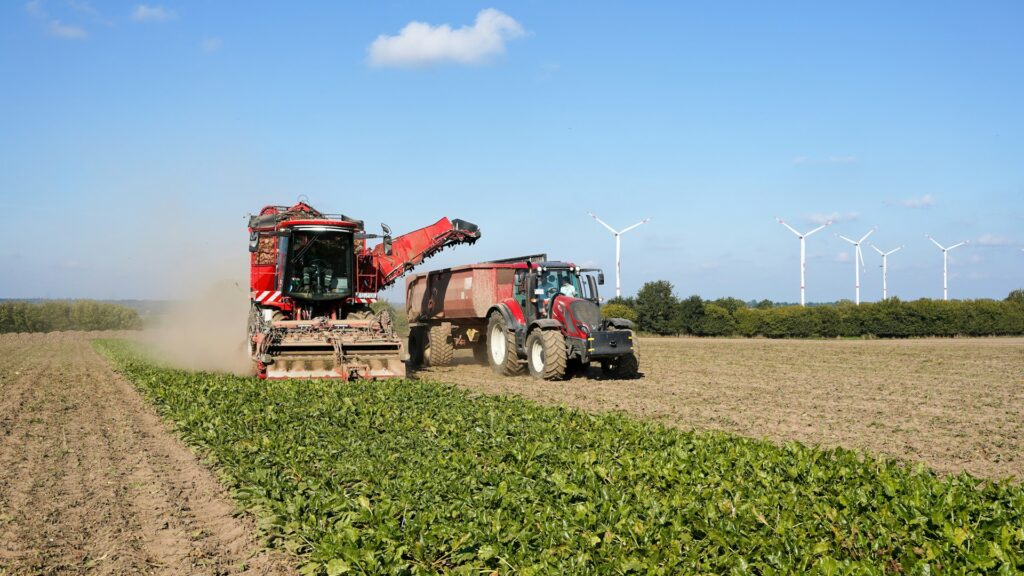
We need to urgently address the foods we produce, and change how they are produced, for the good of our climate, our planet, and our health. That’s the conclusion of a recent report by the Elisa Morgera, UN Special Rapporteur on Climate Change – Food Systems, Fossil Fuels, Climate Change, and Health, which exposes how large-scale industrial food production has become the dominant food system in the world, and its dependence on subsidised fossil fuels.
The report, Transforming Food Systems For A Safe Climate And Health For All arrives mid-way through a year dominated by conflict and the throttling of fossil fuel supplies through the Strait of Hormuz. But while the news has covered the crisis’ impact on supplies of artificial fertilisers,the impending food crisis this shortage is causing is receiving less attention. Artificial fertilisers and pesticides, on which many agricultural sectors are dependent, are produced from fossil fuels. The impact of fertiliser shortages on this year’s harvest is likely to be enormous – with severe repercussions in the coming year, as crop yields drop and staple foods become scarce.
This is why the FAO and others have predicted a global food crisis in the coming months, emphasising the interdependence of climate change, health, and fossil fuel dependence. Even before the Hormuz crisis, food systems around the world were under severe stress from the warming climate and other stressors. Food is essential to life, but our current food systems are precariously reliant on fossil fuels. This is not only bad for the climate and for people’s health, but places the global food supply at risk of failure.
Transforming Food Systems sounds the alert – Ms Morgera demonstrates the need to end highly industrialized, processed food production dependent on chemical fertilizers and pesticides, as these systems produce food that degrades soil and drives both obesity and undernutrition.
For the sake of our health and wellbeing, we must not only cut the extraction and burning of fossil fuels, and the subsidies that sustain the industry, we must transform the systems that feed us , away from fossil fuel dependency. We don’t need fossil fuels to feed the world.
Instead, she shows we must invest time, money and resources into diversified regenerative agriculture that supports healthy, nutritious diets. She calls for protecting and prioritizing localised food production and agroecology, with special emphasis on employing more Indigenous practices and collaborating with local communities, to make food systems more resilient. By transforming our global and local food systems, we can deliver good health, stable access to nutrition, and limit climate warming emissions from agriculture.
Industrialised, fossil-fuelled food systems are vulnerable to fossil fuel price shocks conferring economic harm to everyone. Industrial agribusiness produces or uses CO2, methane, and nitrogen oxide production, toxic pesticides, nitrogen-containing fertilizers, and plastics in packaging, all of which are harmful to health. They contribute to pollution of air, water, and soil, leading to cancers and chronic heart and lung diseases, among other health impacts. Because fossil fuel-based agriculture also promotes ultra-processed foods, it drives rising obesity as well as undernutrition.
Ms Morgera’s report makes reference to the work of the Global Climate and Health Alliance, which works to protect people’s health from climate change. In our submission to inform the report, we set out the growing evidence that industrialized food systems, and their dependence on fossil fuels, are major drivers of climate change, environmental degradation, and widening health and nutrition inequities, while also undermining human rights, health and wellbeing, and long-term food security. Our submission notes that industrialized food production and fossil fuel use across food value chains, from agrochemicals and mechanization to processing, transport, and packaging, contributes to climate change, pollution, malnutrition, and emerging health threats such as antimicrobial resistance.
Solutions
Yet we also strive to show the way forward – by calling for policy-relevant solutions to decouple food systems from fossil fuels in ways that will advance public health, protect ecosystems, and uphold the rights of Indigenous Peoples and local communities.
This is the moment that our governments recognise and act on the power of changing food systems to be a unifying force across global economic, governance, and policy domains.
What is best for us is also best for our planet, which is why the EAT-Lancet Commission calls for adoption of a planetary health diet, prescribing culturally appropriate, sustainable, balanced dietary patterns that are plant-rich and responsive to local needs.
To have food systems that feed us now and for generations to come, we must reduce food loss and waste, and adopt agricultural approaches that merge productivity with practices that protect and restore soil, water, and ecosystem health.
Real change will come from transforming our economies, food, and financial systems to place nature and people at the center. Public demand for action can ignite the political will necessary to implement effective policies.