Your pr agency may have a
dirty secret
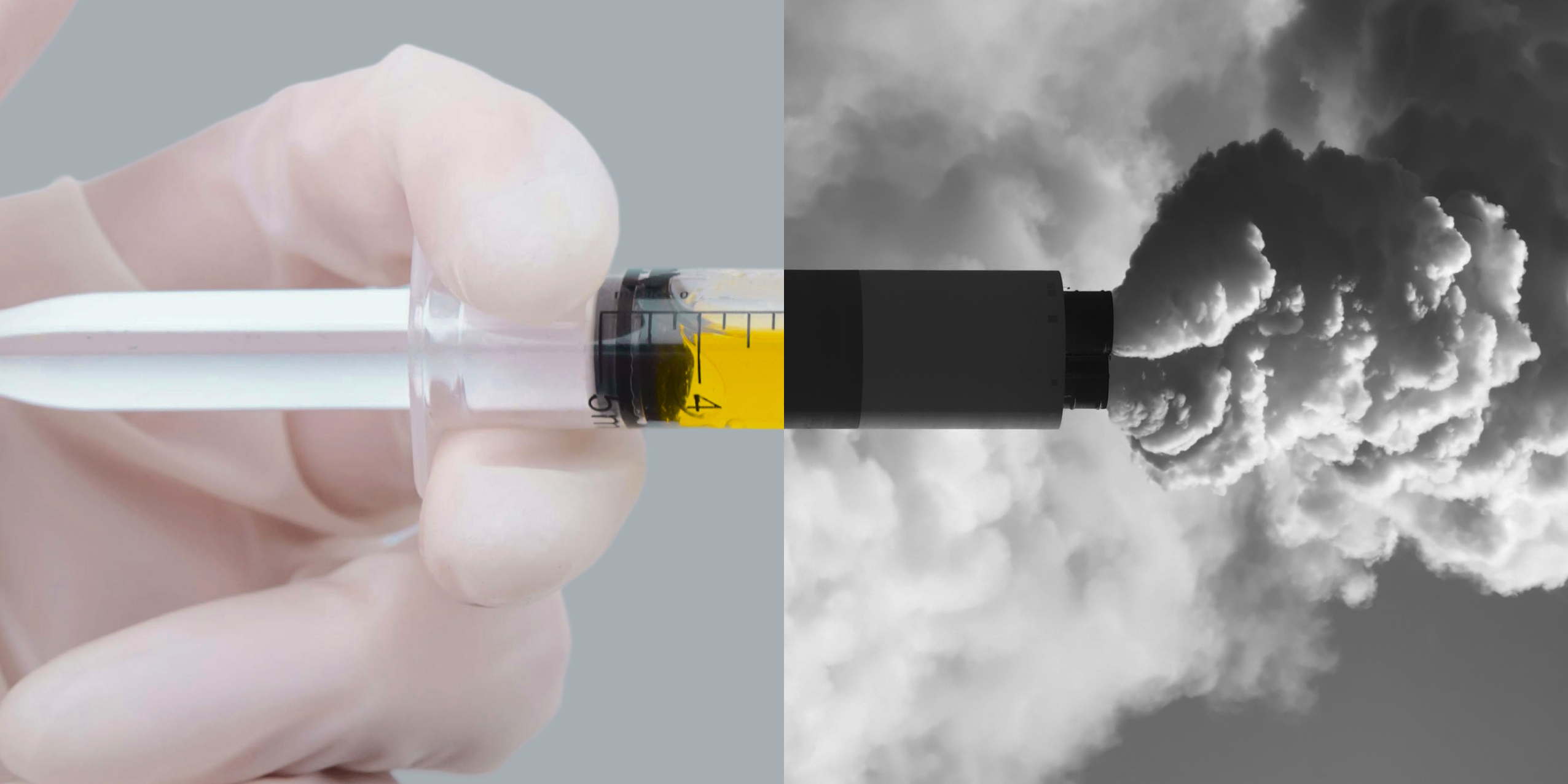


You innovate to protect patients & advance health
You hired a PR & ad agency to build trust in that mission

But...
If that same agency is also helping cancer-causing fossil fuel companies deny, delay, and distract, then the relationship is toxic — for your brand, and our health.


Healthcare spends billions on PR. use your influence — make a clean break.

$44B
Spent by healthcare businesses on PR & advertising, 2024
Source: Market Data Forecast
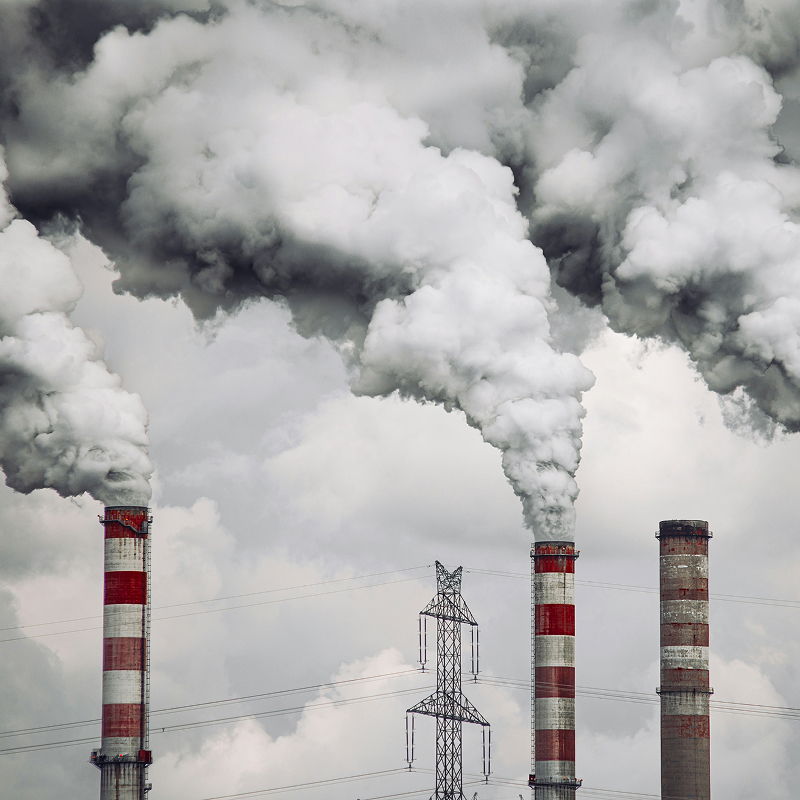
$7B
Spent by fossil fuel companies on PR & advertising, 2024
Source: Clean Creatives
PR’s dirtiest secrets, exposed.
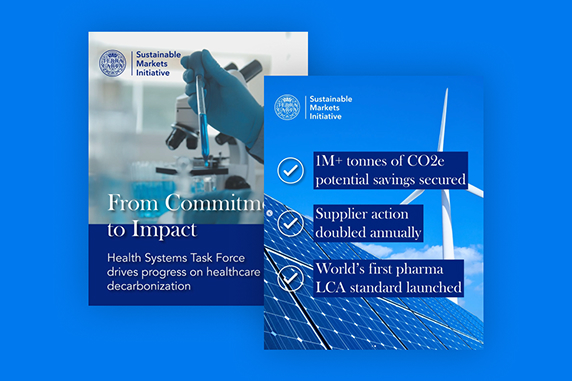
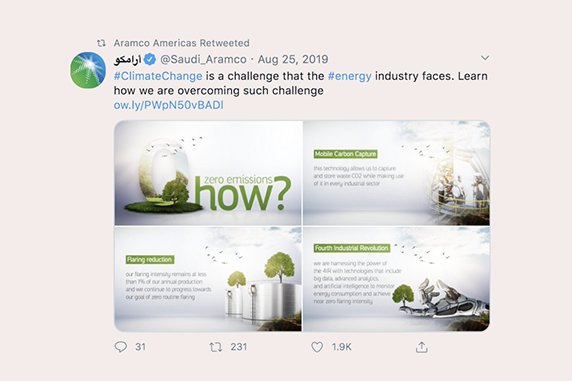
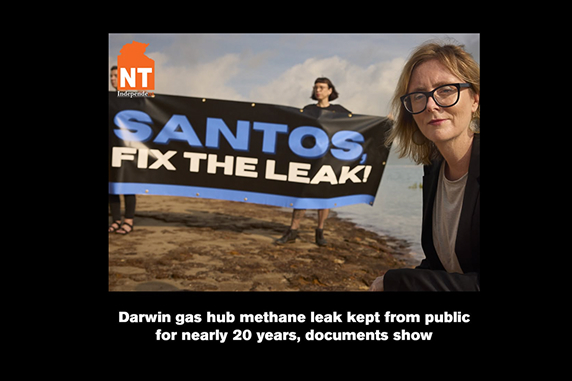
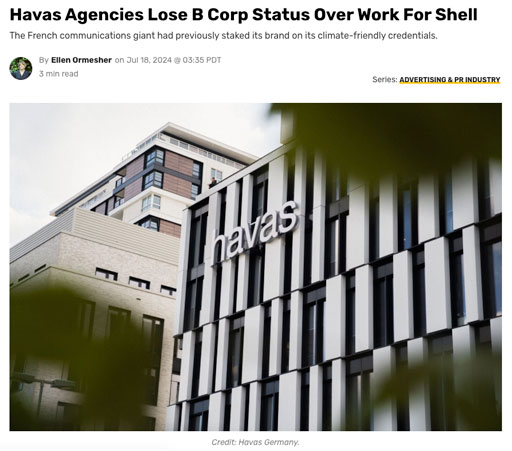
These healthcare companies trusted PR & advertising agencies to help promote climate leadership, clean air & cancer screenings. Did they know what else the agencies were promoting?

 Impact
 Impact

 Impact
 Impact

 Impact
 Impact

 Impact
 Impact



Now you know. Here’s what you can do.
Healthcare companies have power in the PR & advertising industry. By committing to fossil-free PR, you’ll stand out as a climate leader and send a clear message to agencies that their work for fossil fuel companies is not going unnoticed.

International Medical Secretary for Médecins Sans Frontières

“As health professionals guided by humanitarian values, we have a responsibility to speak out when public health is under threat. Fossil fuels are at the heart of a growing global health crisis, and the PR and advertising firms that help obscure this reality undermine efforts to protect lives.”
How to detox from polluting PR
Before engaging any PR or advertising agency, communicate your commitment to fossil-free advertising & request full client disclosure. Ask whether the agency has worked with any fossil fuel companies in the past three years, if they currently have ongoing contracts with such companies or related organizations, and whether they have previously promoted campaigns for fossil fuel companies that involved minimizing the health or environmental impacts of fossil fuels.
If the agency you’re hiring or have already hired has a relationship with fossil fuel clients, tell them it’s a conflict of interest. Healthcare companies spent nearly $42 billion on advertising in 2024. Fossil fuel companies spent only about $7 billion. You can leverage your power to encourage PR agencies to break their fossil fuel commitments and take the side of public health instead.
AAsk the agency to commit to not working with fossil fuel companies in the future, as a step to ensure that their work aligns with the values of your health organization. Inquire whether they are willing to sign a fossil-free pledge, such as the Clean Creatives pledge.

FAQ
Here are a few responses to commonly asked questions or concerns about fossil-free PR.
Why are fossil fuels a health issue, not just a climate or energy issue?
Fossil fuels harm health throughout their lifecycle, including extraction, processing, transport, combustion, petrochemical production, waste, and site abandonment. They pollute air, water, soil, and food systems; expose workers and communities to toxic substances; drive climate change; and contribute to disease, premature death, displacement, mental health issues, and social disruption. Focusing solely on carbon emissions or combustion overlooks significant harms, including spills, toxic waste, occupational exposure, abandoned infrastructure, and long-term contamination. Fossil fuels should be recognized as health-harming products, not just energy sources.
How do fossil fuels harm the human body?
Fossil fuel pollution can affect nearly every part of the body. Exposure to pollutants and toxic chemicals is linked to respiratory and heart disease, stroke, cancer, neurological and reproductive harm, pregnancy complications, kidney and liver damage, and immune and developmental impacts. These effects may appear immediately or develop years later, especially in cases of cancer, chronic disease, and developmental issues.
Are fossil fuel health impacts limited to air pollution?
No. While air pollution is a major and visible impact, it is only part of the issue. Fossil fuels also contaminate water and soil, release toxic chemicals, drive climate change, increase heat and disaster risks, cause spills and explosions, undermine livelihoods, and create social and mental health harms.
Which pollutants and toxins are associated with fossil fuels?
Fossil fuel activities release particulate matter, nitrogen oxides, sulfur dioxide, ozone-forming pollutants, volatile organic compounds, benzene, polycyclic aromatic hydrocarbons, heavy metals like lead and mercury, and persistent chemicals such as PFAS. Many of these substances remain in the environment for decades and accumulate through water, soil, food chains, and repeated exposure.
Who is most at risk from fossil fuel pollution?
Everyone is affected, but the burden is not equal. Communities near mines, refineries, power plants, ports, highways, pipelines, petrochemical facilities, waste sites, and flaring zones face much higher exposure. Children, pregnant women, older adults, workers, Indigenous peoples, low-income and racialized communities, and those with existing health conditions are at greatest risk.
How do fossil fuels affect children?
Children are especially vulnerable because their bodies, brains, lungs, and immune systems are still developing. Fossil fuel pollution is linked to asthma, lung damage, neurodevelopmental harm, childhood cancers, and impacts that begin before birth. Prenatal exposure increases the risk of adverse birth outcomes and congenital abnormalities. Exposure during childhood can affect health throughout life.
How does the fossil fuel industry create social harms?
Fossil fuel projects can cause displacement, land conflict, human rights violations, corruption, weak governance, labor exploitation, violence, and economic instability. While communities are often promised jobs and development, they may instead experience pollution, loss of livelihoods, increased insecurity, substance abuse, trafficking, mental health crises, and long-term harm to social well-being.
How do fossil fuels worsen the climate-health crisis?
Fossil fuels are the main driver of climate change. The resulting heatwaves, floods, storms, wildfires, droughts, food insecurity, infectious disease risks, and displacement all harm health. Climate disasters can also damage fossil fuel infrastructure, causing spills, leaks, fires, toxic releases, and disruptions to health services. This creates a double burden: fossil fuels drive the crisis and then worsen its health impacts.
What should governments do first?
Governments should halt fossil fuel expansion, end subsidies and public financing for fossil fuels, strengthen pollution controls, clean up contaminated sites, hold polluters accountable, protect workers and frontline communities, and invest in renewable energy, public transport, clean household energy, resilient health systems, and community-led health research. Health should be a central measure of any transition plan’s success.
Why should fossil fuel advertising and disinformation be regulated?
Fossil fuel advertising and disinformation can delay action by misleading the public, downplaying health harms, and protecting the industry’s social license. As public health has challenged tobacco industry tactics, health institutions should help expose and counter fossil fuel misinformation, greenwashing, and conflicts of interest.
What role should the health sector play?
The health sector is responsible for preventing harm, not just treating disease after it occurs. Health professionals and institutions can document the health impacts of fossil fuels, support affected communities, advocate for phase-out and just transition policies, screen for fossil fuel conflicts of interest, reject fossil fuel-linked advertising and sponsorship, and lead by example through fossil-free procurement, investments, and communications.


Ready to make a fossil-free commitment?
Commit to a new PR & advertising agency or get in touch if you’re looking for more information.