By Shweta Narayan, Global Climate and Health Alliance
Disinformation has become one of the most powerful and dangerous forces shaping climate action today. For the health community, this moment feels uncomfortably familiar. The tactics being deployed to delay climate action mirror, almost point for point, the strategies once used by Big Tobacco to obscure harm, sow doubt, and weaken public protections. The difference now is scale: climate disinformation threatens not just individual bodies, but entire health systems, communities, and generations.
At its core, climate disinformation is not simply about false facts. It is about distorting how we understand responsibility, risk, and urgency. Fossil fuel–linked narratives downplay harms, exaggerate uncertainty, promote false solutions, and frame climate action as unrealistic or economically dangerous. The result is paralysis, precisely what an industry dependent on delay needs.
For public health professionals, the parallels with tobacco are striking. For decades, tobacco companies funded research to manufacture doubt, attacked scientists and health advocates, and reframed smoking as a matter of “personal choice” rather than corporate responsibility. These strategies delayed regulation, normalised harm, and cost millions of lives. Today, fossil fuel companies use similar methods: funding think tanks, shaping media narratives, lobbying policymakers, and positioning themselves as indispensable partners in “solutions” they helped obstruct.
The health consequences of disinformation
The health consequences of this disinformation are not abstract. When climate action is delayed, air pollution continues to drive respiratory and cardiovascular disease. Heatwaves intensify, overwhelming health systems and increasing mortality. Food insecurity worsens, fueling malnutrition and conflict. Vector-borne diseases expand their reach. Mental health suffers as communities face repeated climate shocks with inadequate protection. Disinformation, by slowing action, directly translates into preventable illness and death and turns crisis into catastrophe.
Recognising these risks, the Global Climate and Health Alliance (GCHA) has been working to bring the health voice more clearly into conversations on climate disinformation. In 2024, GCHA along with partners convened its first dedicated session on climate disinformation and health on the sidelines of New York Climate Week. For many health professionals in the room, it was the first time the dots were explicitly connected between fossil fuel disinformation and familiar public-health playbooks.
History repeats itself
That session surfaced a shared realization: the health community had seen this before. Participants drew direct lines between tobacco’s denial campaigns and today’s fossil fuel narratives, questioning science, promoting delay, and positioning harmful industries as legitimate stakeholders in policymaking. Importantly, the discussion moved beyond communications tactics to public health impacts, highlighting how disinformation undermines prevention, weakens regulation, and shifts blame onto individuals and communities.
This conversation deepened in January 2026, when GCHA convened a second session on climate disinformation and health at the Prince Mahidol Award Conference (PMAC) in Bangkok. By then, the health community was ready to go further. The discussion focused not just on recognising disinformation, but on understanding its structural role in sustaining fossil fuel power, and the responsibilities of health institutions in challenging it.
Across both convenings, three themes consistently emerged:
(1) Disinformation depoliticises climate harm.
By framing climate impacts as unfortunate but inevitable acts of nature rather than outcomes of policy and corporate decisions, it strips the issue of accountability. This mirrors how tobacco companies reframed smoking-related illness as bad luck or individual failure, rather than the predictable result of aggressive marketing and regulatory capture.
(2) Disinformation dehumanises people.
Climate-affected communities are often portrayed as statistics, threats, or burdens, particularly migrants, Indigenous peoples, and low-income populations, rather than as rights-holders experiencing preventable harm. In public health, dehumanisation is always a warning sign: it enables neglect, repression, and underinvestment in care and prevention.
(3) Disinformation erodes public trust.
When institutions appear confused, contradictory, or compromised by conflicts of interest, trust in science and public health suffers. This is especially dangerous during overlapping crises, when communities rely on credible guidance to protect themselves. As with tobacco, the erosion of trust is not collateral damage, it is a deliberate outcome of disinformation strategies.
Confronting conflicts of interest
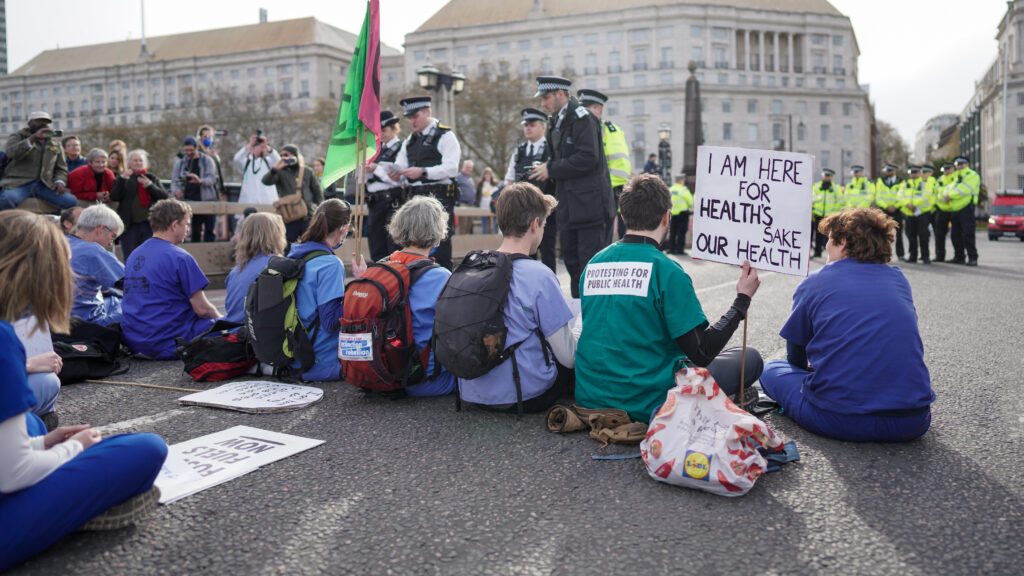
For the health community, these insights carry an unavoidable implication. Neutrality is no longer a safe or ethical position. Just as health actors named tobacco as a health-harming industry, the fossil fuel industry must now be recognised and called out for its role in driving disease, inequity, and climate instability. This also means confronting conflicts of interest. Allowing fossil fuel–linked actors to shape health narratives, sponsor research, or partner with trusted health institutions undermines credibility and public protection. Strong, enforceable conflict-of-interest policies that are aligned with public health principles are essential if the health community is to play its role effectively.
Disinformation thrives in silence and fragmentation. The antidote is a confident, collective health voice, one that names harm, centers people, and insists that protecting health requires confronting the industries most responsible for its erosion. The health community has done this before. The climate crisis demands that we do it again, only this time, faster.